
Tarrant County Arrest Warrants Explained
An arrest warrant is a written order that lets a peace officer take someone into custody. In Tarrant County, an officer or a prosecutor brings a complaint or sworn affidavit to a magistrate or judge. That official reviews probable cause before signing. Once issued, the warrant can enter law-enforcement systems and route to a serving agency. The issuing court keeps control of the case and the bond decision. The Sheriff may serve the warrant, but its public page offers no general name search for one.
Tarrant County Arrest Warrant Probable-Cause Review
Everything begins with a complaint or affidavit laying out the alleged offense and the facts behind it. A magistrate or judge reviews that application in Tarrant County and signs the arrest warrant only if probable cause is met. The District Court and other criminal courts then control the case, while police, constables, or the Sheriff's Fugitive Warrants unit may handle service. The state court hierarchy sorts out District, County, Justice, and municipal jurisdiction. Review Texas trial-court roles on the state judiciary's page, which maps what each trial court handles.

The image shows court levels; the local clerk still controls the case file.
Fields Inside a Tarrant County Arrest Warrant
No single layout governs warrant documents and public case records. A file may show a cause number, court, charge, issuing judge, affidavit, bond, and service or return details. Some pieces stay sealed or withheld. Tarrant County publishes no public sample number format, so rely on the number printed on the notice you received rather than any guessed format.
| Number | Use the number on your notice; formats vary by court. |
|---|---|
| Charge | May be listed in a public case record; sealed files can be withheld. |
| Issuing court | Names the judge or court that authorized the process. |
| Affidavit | May support the probable-cause request; access follows law and case status. |
| Bond | Set by the court; there is no public countywide schedule in the research. |
| Service or return | May record later execution or service details. |
Tarrant County Executed Search Warrants
A search warrant lets officers search a place or property, and it is not a public list of people with arrest warrants. Texas Code of Criminal Procedure Chapter 18 governs that separate process. In Tarrant County, the District Clerk's portal holds executed probable-cause and search-warrant documents, searchable by warrant number or by person and location information. Certified copies come from the clerk. The affidavit may become public after execution, subject to legal exceptions. One caution: a document result does not establish a current arrest-warrant status.
Read Chapter 18Serving a Tarrant County Arrest Warrant
The Tarrant County Sheriff lists fugitive, mental-warrant, extradition, transportation, and clerical roles on the service side. Constables are peace officers who serve process within their precincts, while city police and marshals handle municipal matters. A federal warrant moves through a separate federal route. After an arrest, booking and magistration follow, and the court sets or confirms bond plus the next setting. Remember that the agency serving a warrant may not be the court that can recall it. The issuing judge controls the legal next step.
Tarrant County Arrest Warrant Service Roles
The Criminal Warrants Division in Tarrant County handles active criminal and mental warrants, fugitive work, extradition, transportation, and clerical functions. The Sheriff says clerical staff confirm warrants around the clock for law-enforcement agencies, which is not a public service promise. For your own status, the Sheriff's qualified routes are an attorney or a licensed bondsman. Traffic matters run differently. The Sheriff points people to the issuing JP or municipal agency for those.
See the Sheriff's warrant division responsibilitiesTarrant County Arrest Warrant, Summons, and Bench Process
These three documents have different triggers. An arrest warrant follows probable-cause review. A summons simply calls a person to court, while a bench warrant answers a missed court obligation in an existing Tarrant County matter. Read the order's issuer and instructions instead of assuming one response fits all three.
| Feature | Arrest Warrant | Summons | Bench Warrant |
|---|---|---|---|
| What it orders | Officer to arrest | Person to appear | Officer to bring a person before court |
| Basis | Probable cause | Notice and court process | Missed appearance or compliance |
| Issuer | Judge or magistrate | Court process under applicable rules | Judge handling the existing matter |
| Response | Ask counsel about confirmation and bond | Attend on the stated date | Ask the issuing court about a reset or recall |
Tarrant County Federal Warrants Near Fort Worth
A federal matter may belong to the Northern District of Texas rather than any Tarrant County court. The U.S. Marshals Service describes its federal fugitive task-force work separately from county and municipal warrant systems. PACER, a federal court-record service, carries its own access and fee rules and is not a public complete warrant roster. For a federal case, use counsel and the federal court itself. The Fort Worth courthouse page gives the federal court location: Read Fort Worth federal courthouse location information from the Marshals Service.
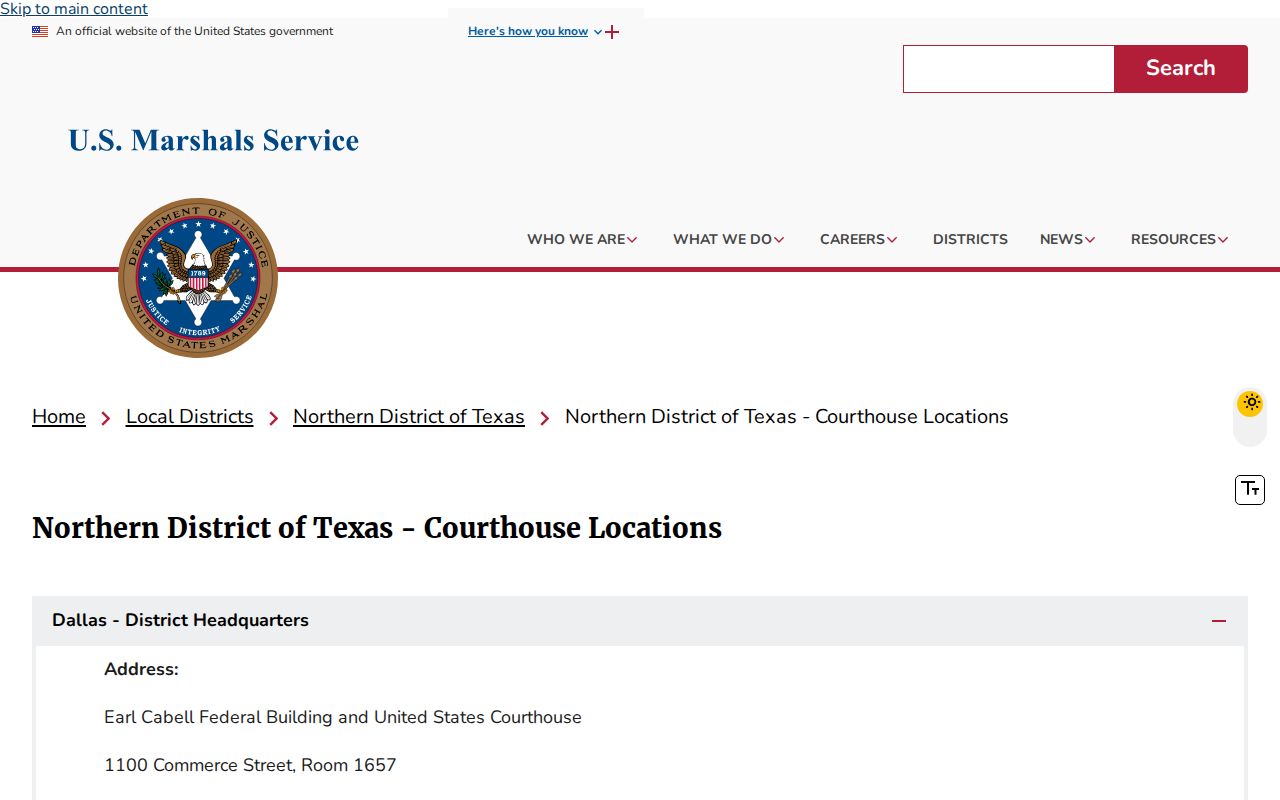
The courthouse is a jurisdiction clue, not a Tarrant County warrant-search counter. PACER explains its docket search and billing rules directly: Check PACER access and fees before you rely on it.
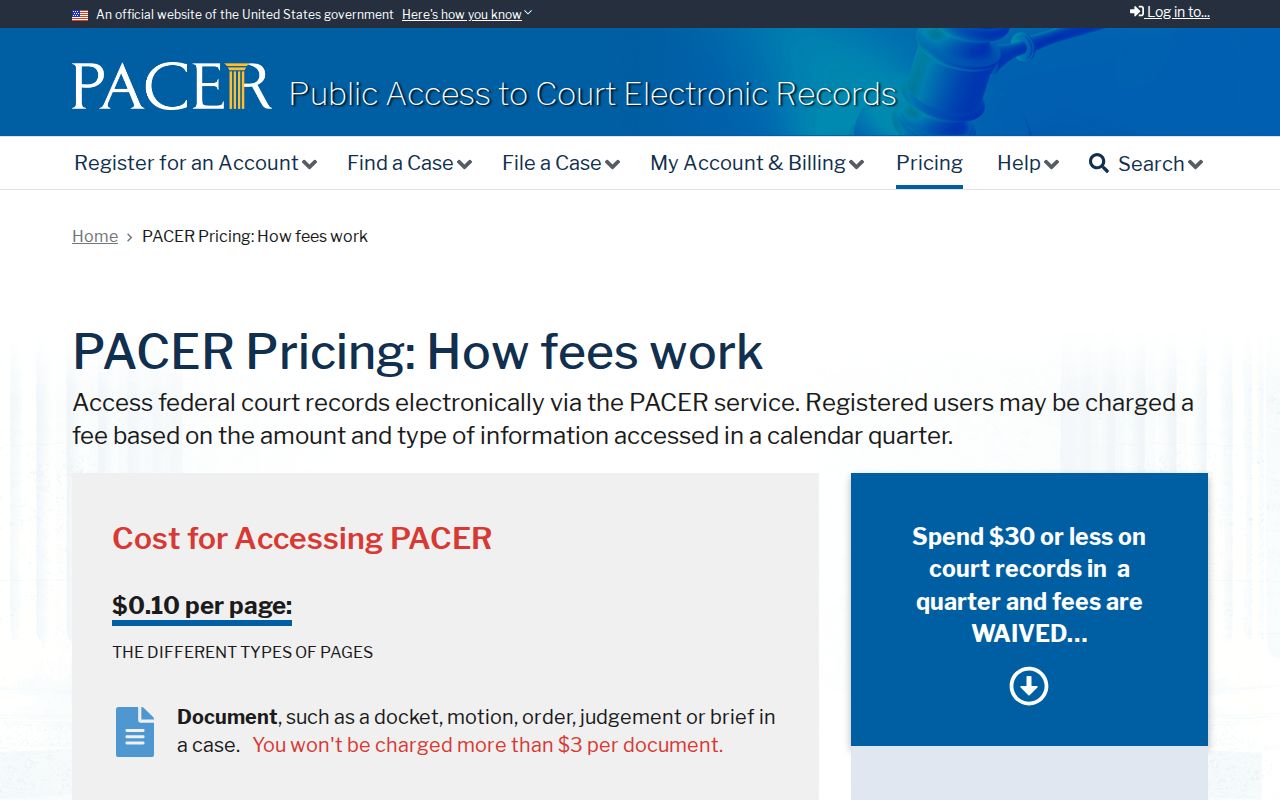
A federal docket result and a local warrant confirmation are different records.
Handling a Tarrant County Arrest Warrant in Your Name
Have counsel or a licensed bondsman use the Sheriff's qualified confirmation route, then identify the issuing court. A lawyer can weigh whether a walk-through, voluntary appearance, bond, or a motion to recall or quash fits. Tarrant County publishes no universal criminal-warrant bond schedule and no set recall fee. If the person is already in custody, the jail's bond information line answers a different question: whether a bond has been set and for how much. Once bond is set, the 24-hour Bond Desk at 100 North Lamar handles posting. Call 817-884-3000 for bond information before any payment or trip. Even then, the court controls the next case date and all release terms. A posted bond does not close the case; only the issuing court can recall or quash the warrant.
Important: Talk with counsel before appearing; the serving agency cannot decide whether the issuing court will recall the warrant or set a bond.
Tarrant County Bond Desk After Setting
Need to post bond in Tarrant County? The Jail Bond Desk sits at 100 North Lamar and takes bond postings around the clock. It does not set the bond or clear the case; that decision belongs to the court, which fixes both the amount and the conditions. Call 817-884-3000 first to confirm booking and bond details, then do what the court directs. The county's official bond information page spells out where the jail transaction ends and the issuing court's decision begins, so read Tarrant County Jail bond information before you go.
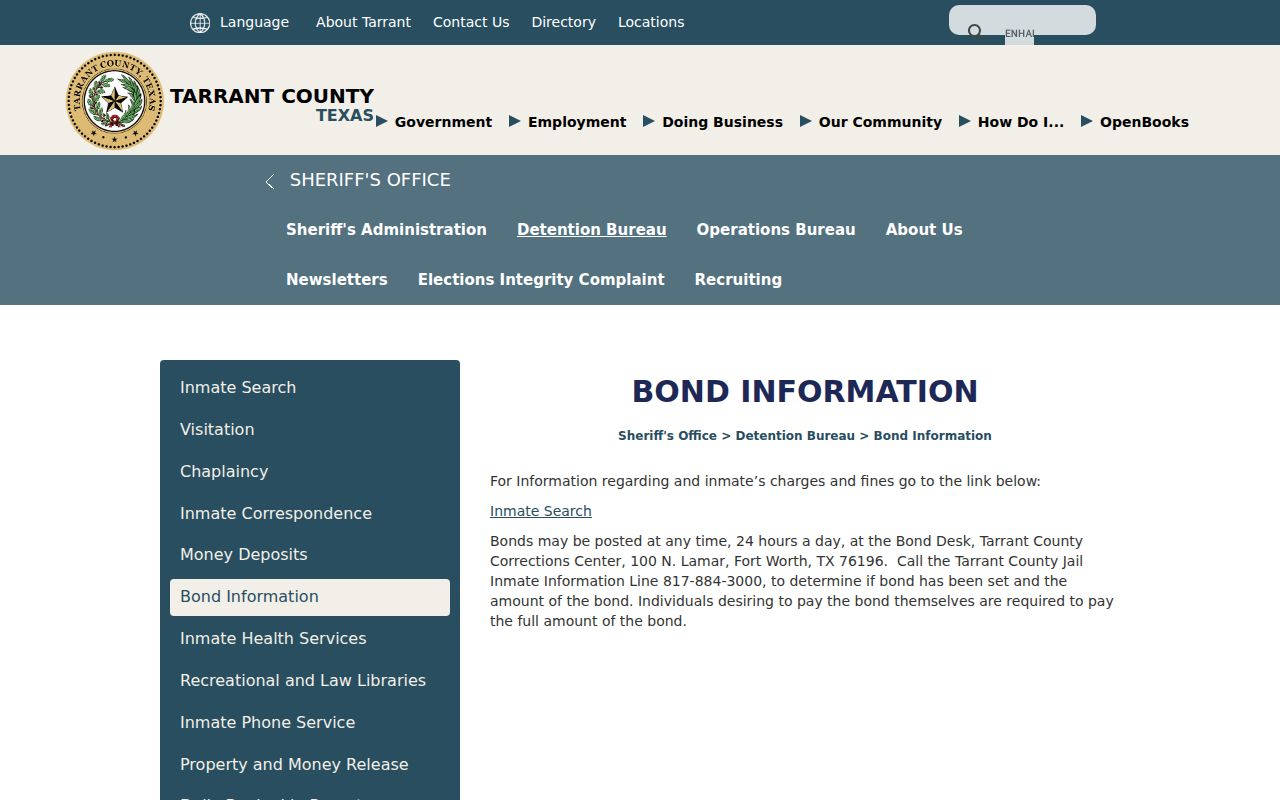
Confirm the court-set amount before going to the Bond Desk.